Best Creative Services by Lemonfridge Studio
Interior Design Firm: Contemporary Solutions for Contemporary Living Areas
The field of interior design is progressing, with companies now focusing on innovative solutions for modern living spaces. By adopting minimalism and integrating smart technologies, these businesses create environments that elevate comfort and functionality. Sustainable materials play an essential role, reflecting a growing awareness of eco-friendly choices. Yet, the interplay of design elements such as color psychology and personalized spaces invites further exploration of how they shape our daily lives.
Adopting Minimalism: The Force of Less
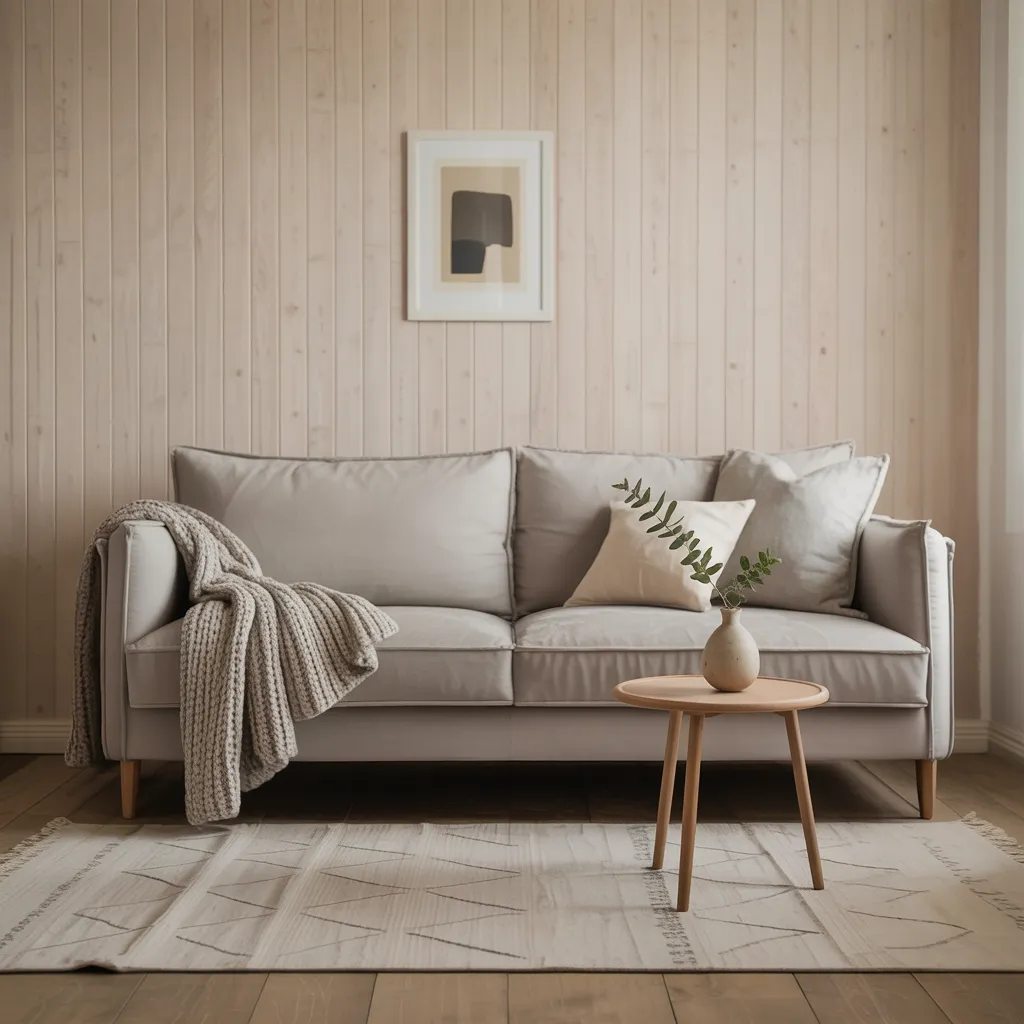
As individuals increasingly seek tranquility in their living spaces, embracing minimalism emerges as a powerful design philosophy. This strategy focuses on straightforwardness and utility, eliminating excess to create serene environments. By focusing on essential elements, minimalism nurtures tranquility and mental clearness, helping dwellers to recognize the charm of their setting without disturbance.
Incorporating minimalism into interior design includes choosing a restrained color palette, opting for clean lines, and choosing quality over quantity in furnishings. Clear areas become a hallmark of this style, fostering a perception of openness and liberty. Natural light plays a significant role, enriching the overall ambiance and linking the indoors with the outdoors.

Furthermore, minimalism fosters thoughtful consumption, prompting individuals to acquire fewer, more meaningful items. This shift doesn't just transform physical spaces but also enhances mental health, making minimalism a compelling choice for present-day living.
Smart Home Technology Integration: Where Technology Meets Design
Smart home integration reflects a harmonious blend of technology and design, improving both functionality and aesthetics within living spaces. By providing seamless device connectivity, homeowners can regulate various aspects of their environment effortlessly. Aesthetic control interfaces and automated home functions further elevate the user experience, making modern living both functional and aesthetically pleasing.
Easy Device Pairing
Effortlessly connecting devices within a home has become more prevalent as technology progresses. Homeowners now seek systems that allow for effortless connectivity among devices, enhancing functionality and convenience. Innovative solutions enable various smart devices—such as lighting, temperature control, security systems, and entertainment units—to communicate with one another. This interconnectedness permits users to control their environments through easy-to-use interfaces or voice commands, simplifying daily tasks. Furthermore, such integrations promote energy efficiency, as devices can adjust automatically based on user habits and preferences. The design of these systems often emphasizes user experience, making certain that technology complements the aesthetic of modern supporting information living spaces while providing practical benefits. Ultimately, seamless device connectivity transforms how individuals engage with their homes.
Visual Interface Management
During the design of a modern home, the integration of aesthetic control interfaces plays a crucial role in enhancing both functionality and visual appeal. These interfaces, which include touch panels, voice-activated systems, and sleek remote controls, empower homeowners to manage various aspects of their living environment seamlessly. By prioritizing design, these interfaces blend harmoniously with the overall décor, eliminating the pronounced contrast often associated with traditional technology. This thoughtful integration not only elevates the user experience but also reinforces the notion that technology can be an elegant part of home design. As homeowners seek to create spaces that reflect their personalities, aesthetic control interfaces emerge as indispensable components, combining style with advanced functionality to redefine modern living.
Intelligent House Automation
More and more homeowners are embracing automated home functions to simplify their daily routines and improve their living environments. Smart home integration functions as a seamless combination of technology and design, permitting users to control lighting, heating, and security systems through intuitive interfaces. This functionality not only enhances convenience but also fosters energy efficiency, as homeowners can track and manage their consumption remotely. In addition, modern interior design now incorporates these systems aesthetically, making certain that technology blends harmoniously with decor. By focusing on user experience and visual appeal, automated home functions reshape contemporary living spaces, offering both comfort and sophistication. As the demand for smart solutions increases, the future of interior design will continue to evolve in tandem with technological advancements.
Sustainable Materials: Earth-Friendly Selections for Today's Houses
Environmentally conscious materials are turning more and more critical in contemporary interior design, offering multiple advantages such as decreased ecological footprint and improved indoor air quality. Common eco-friendly choices include recovered timber, bamboo, and repurposed metals, all of which support a better living space. Additionally, creative green design trends are developing, showcasing how visual appeal and sustainability can harmoniously blend in contemporary homes.
Advantages of Sustainable Materials
As homeowners increasingly prioritize environmental responsibility, the benefits of using sustainable materials in interior design become more apparent. Eco-friendly materials both minimize ecological footprint and enhance healthier indoor environments. Such materials frequently create fewer toxic emissions, boosting indoor atmospheric quality and supporting occupant health. Additionally, they generally offer greater durability, creating more permanent designs demanding less regular substitution. Via investment in environmentally responsible materials, homeowners can support eco-friendly practices and potentially lower energy costs through better insulation. In addition, employing such materials can improve the design appeal of a space, harmonizing current design with intentional living. Through this approach, eco-friendly materials provide functional and moral benefits, rendering them an intelligent selection for modern residences.
Leading Sustainable Alternatives
As the demand for eco-friendly interior design remains on the rise, numerous materials are notable for their sustainability and aesthetic appeal. Bamboo, recognized for its rapid growth and renewability, serves as a popular choice for flooring and furnishings. Reclaimed wood, with its distinctive history and character, provides an environmentally conscious alternative to new timber. Cork, collected from the bark of cork oak trees, provides both insulation and a characteristic texture. Furthermore, recycled glass is increasingly used in countertops and tiles, adding a vibrant touch while minimizing waste. Eco-degradable textiles, such as organic cotton and hemp, improve the sustainable aspect of upholstery and curtains. These materials not only contribute to a healthier environment but also improve the visual charm of modern living spaces.
Modern Environmentally-Conscious Design Developments
With the increasing emphasis on environmental responsibility, innovative green design trends are redefining modern homes by incorporating eco-friendly materials that unite functionality and style. Designers are progressively opting for sustainably sourced materials such as bamboo, reclaimed wood, and recycled metals, which not only decrease environmental impact but also provide unique aesthetic qualities. Moreover, low-VOC paints and finishes improve indoor air quality, while energy-efficient fixtures and appliances contribute to reduced energy consumption. The incorporation of natural elements, such as living walls and green roofs, further reinforces the connection between indoor and outdoor environments. These innovative choices demonstrate a growing commitment to sustainability, enabling homeowners to create spaces that are both beautiful and aligned with eco-conscious values.
Multipurpose Spaces: Meeting Transforming Necessities
In a time when versatility and adaptability are crucial, multipurpose areas have become an crucial solution for today's living standards. These ingenious concepts address the varied requirements of urban residents, providing flexibility in restricted living space. By including elements such as folding furniture, adjustable partitions, and seamless storage, interior specialists establish environments that smoothly transition between business, recreation, and entertaining.
Remote work's growth and the growing need for home-based education have additionally highlighted the importance of adaptable spaces. Home offices can easily transition into guest rooms, while dining areas can double as creative studios. Such designs not only optimize utility but also improve the overall aesthetic of a home.
As living patterns continue to change, the concept of multifunctional spaces will play a pivotal role in shaping the future of interior design, making certain that living environments remain both efficient and aesthetically pleasing.
Biophilic Design: Incorporating the Outdoors Within
The concept of biophilic design, which stresses the link between humans and nature, has gained momentum as a transformative approach in interior design. This concept seeks to integrate natural elements into built environments, fostering a sense of well-being and tranquility. Design professionals frequently integrate elements like green walls, abundant daylight, and natural materials to replicate outdoor environments and establish a balanced ambiance.
Plants serve a vital function in biophilic design, not only improving visual attractiveness but also enhancing air quality and reducing stress. Water features, such as fountains or aquariums, additionally enhance the soothing benefits related to nature.
This method promotes the use of earthy color palettes, textures, and patterns that represent natural landscapes. By focusing on these elements, interior spaces can promote a deeper connection to nature, ultimately leading to healthier and more enjoyable living environments. As urbanization continues, biophilic design offers a valuable remedy to the disconnection many experience from the natural world.
The Science of Color Psychology: Influencing Emotional States and Ambiance
Incorporating natural elements into interior design doesn't just improve physical environments but also affects emotional wellness via color selections. Shades elicit distinct sentiments and can profoundly affect disposition. For example, heated shades such as reds and oranges may invigorate a space, fostering innovation and passion. Conversely, calmer tones like blues and greens frequently establish a tranquil environment, perfect for unwinding and concentration.
Comprehending color psychology enables designers to craft spaces that correspond to desired emotional responses. Yellow can stimulate optimism, while muted tones can evoke calmness. The strategic use of color can transform settings, making them more conducive to the activities taking place within them.
Whether it's a serene bedroom, an inspiring workspace, or a dynamic communal area, color plays a essential role in shaping the ambiance. This awareness empowers interior designers to develop holistic living spaces that resonate with the dwellers' emotional needs.
Individualized Spaces: Adjusting Design to Unique Lifestyles
Although everyone has their own unique tastes and necessities, personalized interior design moves beyond simple aesthetics to create environments that represent and elevate one's lifestyle. This approach underscores the importance of understanding the client's routine activities, interests, and functional requirements. By incorporating elements such as color schemes, furniture choices, and spatial layouts, designers can create spaces that foster productivity and comfort.
As an illustration, a family with young children may prioritize durable materials and systematically arranged storage solutions, while a remote worker might look for dedicated home office spaces that inspire creativity. Customized design also considers cultural backgrounds and personal histories, infusing spaces with meaningful artifacts and narratives. At the core, the goal is to create harmonious environments that resonate with the inhabitants, transforming houses into homes. In this way, tailored interior design becomes a vital tool for elevating quality of life and promoting overall health in modern living spaces.
Frequently Asked Questions
What Does an Interior Design Company Usually Charge?
Typically, hiring an interior design company costs between $50 to $200 per hour, or a flat fee ranging from $1,000 to $10,000, depending on project complexity, designer experience, and location.
What Is the Typical Duration for an Interior Design Project?
A standard interior design project normally requires between six weeks to several months to complete. Elements influencing the timeline include the scope of the project, client decisions, and the complexity of design elements being implemented.
Can I Implement Some Design Ideas Myself After Consultation?
People can put some design concepts into practice themselves after consulting with professionals. Most experts support clients taking an active part, allowing personal creativity to flourish while ensuring the overall vision aligns with the initial design concept.
What Qualifications Should I Consider When Choosing an Interior Designer?
When looking for an interior designer, it's important to consider qualifications such as formal training in design, professional certifications, a strong portfolio, customer reviews, and expertise in diverse styles to provide a well-rounded approach to projects.
Are Virtual Consultations Available for Interior Design Services?
Indeed, a significant number of interior designers deliver virtual consultations, permitting clients to explore their needs and preferences through remote means. This approach provides flexibility and convenience, enabling effective collaboration without geographical constraints, eventually elevating the design process for clients.